
Japan-Palau Alumni Series: Vol.36- Mr. Danny Higa
2026/9/18
Summary
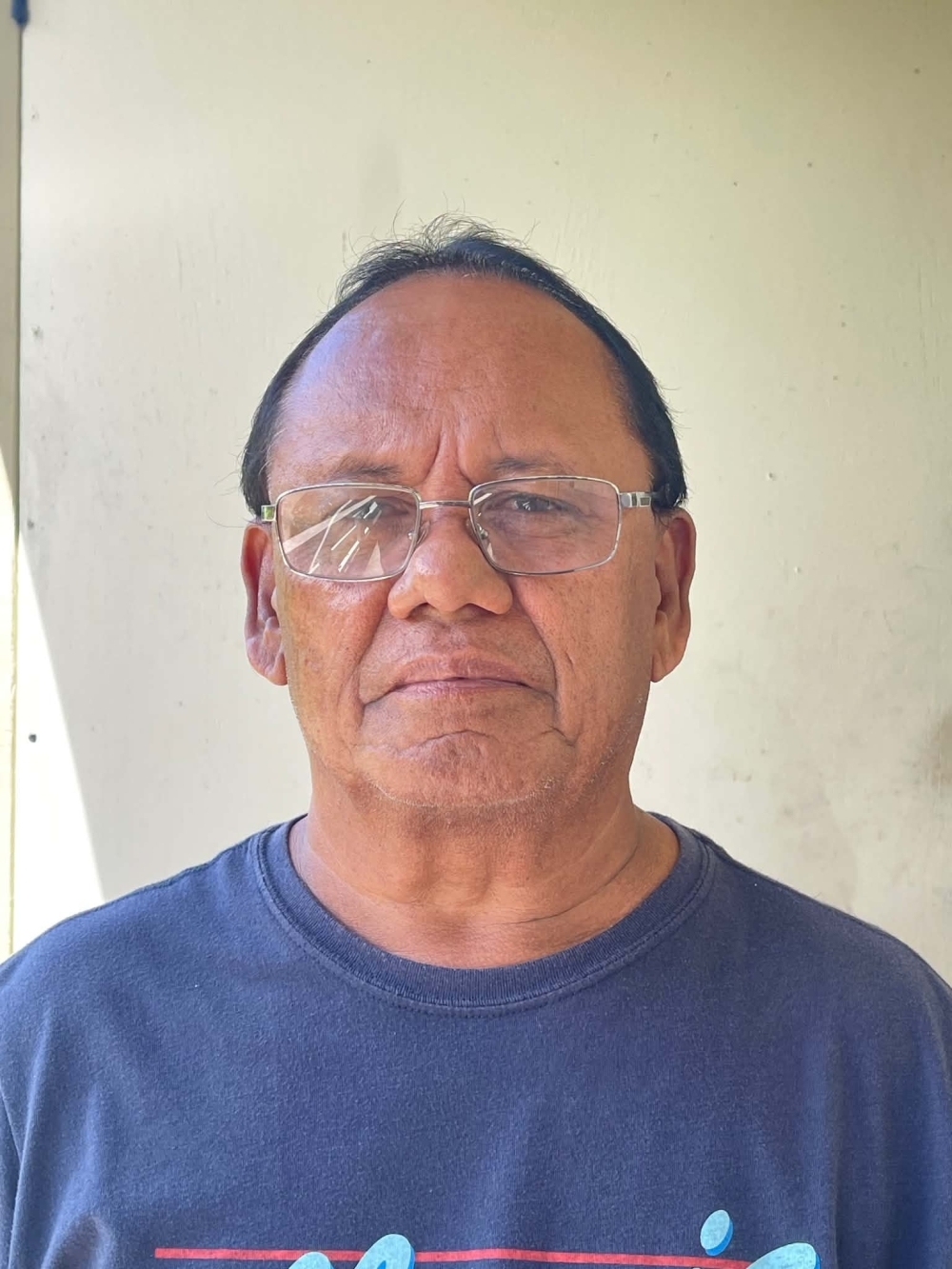
Mr. Danny Higa (64) studied in Japan as a privately financed student and successfully graduated from the YMCA Sports School in 1984. He later served 26 years with the Ministry of State, rising to Chief of Protocol before retiring in 2022. Mr. Higa encourages Palauan students to pursue scholarships and study in Japan and Asia, noting tourism’s importance and the career advantages of foreign-language skills.
Full Article
Mr. Danny Higa, age 64, went to study in Japan as a privately financed student. He is the son of Mr. Shingei “Shin-chang” Higa, a second generation Nikkei (Palauan of Japanese descent) and Ms. Yosko Isims Higa, a Palauan. His paternal grandfather, Mr. Shinji Higa is originally from Nago City, Okinawa.
In the early 1970s, tourists from Okinawa frequently visited Palau. Mr. Higa’s father often hosted dinner gatherings for them at their family home in Meyuns, Koror. During those times of interacting with the Japanese guests, Mr. Higa became interested in pursuing his education in Japan.
Mr. Higa attended Meyuns Elementary School, then continued his high school education at Belau Modekngei School in Ibobang, Ngatpang State. Upon completing four years at Belau Modekngei school, he went to study in Japan for a total of three years through the support of a Japanese sponsor. On his first year, he studied Japanese language, then went on to continue his education in sports education at YMCA Sports School for two years, and graduated in 1984.
While Mr. Higa`s father could speak Japanese, he himself did not know any Japanese before going to school in Japan. However, with lot of help from his Japanese friends, Mr. Higa quickly learned the Japanese language. While the listening and understanding Japanese language was easy, writing kanji was very difficult for him. He recalls using flash cards to study hiragana, kanji, and their meanings.
Mr. Higa credits his educational and life experiences in Japan, as the foundation of his strong work ethic. He attributes his personal discipline and values, particularly the importance of respect and proper greetings, to the influence of Japanese culture by his father, as well as his experience as a foreign student in Japan.
While studying in Japan, Mr. Higa had the opportunity to visit Chiba, Yokohama, and several parts of the country. Among his many experiences, the most memorable was a school skiing trip to Kyoto. He vividly recalls enduring a severe snowstorm and the intense cold, which left him feeling numb and exhausted. Reflecting on the experience, he remembered feeling so overwhelmed by the conditions that he “wasn’t sure if he was dead or alive.” Mr. Higa also visited Nojiriko, a lake where he participated in sailing activities. During the excursion, he fell into the freezing water several times, making it another unforgettable experience.
When it comes to food, Mr. Higa says he loves all kinds of Japanese food, and finds it difficult to name a single favorite dish. His appreciation for Japanese food began at home, where his father, regularly prepared traditional Japanese meals for the family. Mr. Higa`s father was a chef at the former Royal Hotel which was located where Neco Payless now stands in Koror, during the Japanese time. As a result, while living in Japan, Mr. Higa often felt as though he was eating the same comforting food he had in Palau.
Mr. Higa also has a deep appreciation for enka, a genre of traditional Japanese music. His favorite song is “Kita Kuni no Haru” by Mr. Sen Masao. A talented musician and a music producer himself, Mr. Higa sang “Kita Kuni no Haru” at a school event in Ibobang, in the late 1970s, where the song quickly became popular in Palau. He also produced an album titled“Reggae Nimenai”featuring Mr. Malsol Tadao which was sold out and required additional reproduction.
After graduating from the YMCA in Japan, Mr. Higa returned to Palau and assisted his father, Mr. Shingei “Shin-chang” Higa, in the family pastry shop, as a baker. Following his father’s passing, the bakery was later managed by his brother, Mr. Toshiwo “Tosh” Higa.
After spending some time helping with the family business, Mr. Higa applied for a position at the Duty Free Shop at Palau Pacific Resort. During that period, tourism in Palau was rapidly expanding, and Japanese tourists represented the largest group of visitors to the country. He was hired immediately based on his fluency in Japanese.
Mr. Higa worked at the Duty Free Shop for several years before deciding to relocate to Saipan in the mid-1980s. One of the main reasons for his move was to be close to his brother who lived in Saipan at that time. He was subsequently transferred to the Duty Free Shop at the Saipan Airport, where he hoped to gain the experience necessary to advance into a managerial position.
While working in Saipan airport DFS, Mr. Higa met Mr. Yukishige Akiyama, a Japanese who owned a U.S. transportation service company known as Nito Saipan, which catered to high-end visitors by providing luxury USA-made vehicles, including limousines and Corvettes. The two became very close friends, like brothers and Mr. Higa was hired to work for Mr. Akiyama, for ten years before returning to Palau in 1996. After returning to Palau, he joined the Ministry of State as a Protocol Officer. Over the course of a 26-year career in public service, he eventually rose to the position of Chief of Protocol before retiring in 2022.
Mr. Higa is glad that he had the opportunity to go to school in Japan and hopes that more Palauan students can take advantage of the scholarship programs. He emphasizes that tourism remains a key pillar of Palau’s economy, and that proficiency in foreign languages provides a significant advantage in this sector.
In retrospect, Mr. Higa mentioned that he did not know how to speak Japanese before he left to Japan. However, after completing his studies in Japan, he was able to secure employment opportunities that directly utilized his Japanese language skills, pointing to the long-term advantages of language skills and international education.
In the early 1970s, tourists from Okinawa frequently visited Palau. Mr. Higa’s father often hosted dinner gatherings for them at their family home in Meyuns, Koror. During those times of interacting with the Japanese guests, Mr. Higa became interested in pursuing his education in Japan.
Mr. Higa attended Meyuns Elementary School, then continued his high school education at Belau Modekngei School in Ibobang, Ngatpang State. Upon completing four years at Belau Modekngei school, he went to study in Japan for a total of three years through the support of a Japanese sponsor. On his first year, he studied Japanese language, then went on to continue his education in sports education at YMCA Sports School for two years, and graduated in 1984.
While Mr. Higa`s father could speak Japanese, he himself did not know any Japanese before going to school in Japan. However, with lot of help from his Japanese friends, Mr. Higa quickly learned the Japanese language. While the listening and understanding Japanese language was easy, writing kanji was very difficult for him. He recalls using flash cards to study hiragana, kanji, and their meanings.
Mr. Higa credits his educational and life experiences in Japan, as the foundation of his strong work ethic. He attributes his personal discipline and values, particularly the importance of respect and proper greetings, to the influence of Japanese culture by his father, as well as his experience as a foreign student in Japan.
While studying in Japan, Mr. Higa had the opportunity to visit Chiba, Yokohama, and several parts of the country. Among his many experiences, the most memorable was a school skiing trip to Kyoto. He vividly recalls enduring a severe snowstorm and the intense cold, which left him feeling numb and exhausted. Reflecting on the experience, he remembered feeling so overwhelmed by the conditions that he “wasn’t sure if he was dead or alive.” Mr. Higa also visited Nojiriko, a lake where he participated in sailing activities. During the excursion, he fell into the freezing water several times, making it another unforgettable experience.
When it comes to food, Mr. Higa says he loves all kinds of Japanese food, and finds it difficult to name a single favorite dish. His appreciation for Japanese food began at home, where his father, regularly prepared traditional Japanese meals for the family. Mr. Higa`s father was a chef at the former Royal Hotel which was located where Neco Payless now stands in Koror, during the Japanese time. As a result, while living in Japan, Mr. Higa often felt as though he was eating the same comforting food he had in Palau.
Mr. Higa also has a deep appreciation for enka, a genre of traditional Japanese music. His favorite song is “Kita Kuni no Haru” by Mr. Sen Masao. A talented musician and a music producer himself, Mr. Higa sang “Kita Kuni no Haru” at a school event in Ibobang, in the late 1970s, where the song quickly became popular in Palau. He also produced an album titled“Reggae Nimenai”featuring Mr. Malsol Tadao which was sold out and required additional reproduction.
After graduating from the YMCA in Japan, Mr. Higa returned to Palau and assisted his father, Mr. Shingei “Shin-chang” Higa, in the family pastry shop, as a baker. Following his father’s passing, the bakery was later managed by his brother, Mr. Toshiwo “Tosh” Higa.
After spending some time helping with the family business, Mr. Higa applied for a position at the Duty Free Shop at Palau Pacific Resort. During that period, tourism in Palau was rapidly expanding, and Japanese tourists represented the largest group of visitors to the country. He was hired immediately based on his fluency in Japanese.
Mr. Higa worked at the Duty Free Shop for several years before deciding to relocate to Saipan in the mid-1980s. One of the main reasons for his move was to be close to his brother who lived in Saipan at that time. He was subsequently transferred to the Duty Free Shop at the Saipan Airport, where he hoped to gain the experience necessary to advance into a managerial position.
While working in Saipan airport DFS, Mr. Higa met Mr. Yukishige Akiyama, a Japanese who owned a U.S. transportation service company known as Nito Saipan, which catered to high-end visitors by providing luxury USA-made vehicles, including limousines and Corvettes. The two became very close friends, like brothers and Mr. Higa was hired to work for Mr. Akiyama, for ten years before returning to Palau in 1996. After returning to Palau, he joined the Ministry of State as a Protocol Officer. Over the course of a 26-year career in public service, he eventually rose to the position of Chief of Protocol before retiring in 2022.
Mr. Higa is glad that he had the opportunity to go to school in Japan and hopes that more Palauan students can take advantage of the scholarship programs. He emphasizes that tourism remains a key pillar of Palau’s economy, and that proficiency in foreign languages provides a significant advantage in this sector.
In retrospect, Mr. Higa mentioned that he did not know how to speak Japanese before he left to Japan. However, after completing his studies in Japan, he was able to secure employment opportunities that directly utilized his Japanese language skills, pointing to the long-term advantages of language skills and international education.